



As a coral reef island country in the South Pacific, Nauru's geographical and climatic conditions make traditional agricultural development difficult: over 3/5 of the island's land was once covered by phosphate, leading to severe soil impoverishment. Coupled with the extreme weather conditions such as high temperatures and rainstorms brought by the tropical rainforest climate, there is almost no large-scale agriculture on the island, and over 90% of fresh vegetables rely on imports. Imported vegetables not only incur high transportation costs and poor supply stability, but also make it difficult for local residents to obtain fresh and affordable fruits and vegetables, leading to a prominent problem of dietary imbalance, which has become a core issue affecting local livelihoods. After the restoration of diplomatic relations between China and Nauru, agricultural cooperation has become an important direction for livelihood assistance. Jiangmen City took the initiative to lead the aid construction project, and Auma Agriculture stood out from numerous enterprises with its full-chain smart agricultural service capabilities, becoming the core executor of the project and shouldering the responsibility of customizing agricultural solutions for Nauru.
In response to the unique national conditions of Nauru, Auma Agriculture has abandoned traditional planting methods and tailored a "black technology in agriculture" - the container plant factory. By deeply adapting artificial light plant factory technology to the environmental needs of Nauru, it has created a standardized vegetable production system that does not rely on soil and is not limited by climate. This container plant factory, using standard containers as its carrier, perfectly adapts to the current situation of limited land resources in Nauru. The multi-layered three-dimensional cultivation design maximizes space utilization, and the vegetable production capacity of a small container is comparable to that of several acres of traditional farmland. Equipped with an intelligent lighting system, it simulates the sunlight required for plant growth through customized LED spectra. Coupled with precise temperature control and humidity adjustment equipment, it completely eliminates the impact of local high temperatures and rainstorms, creating a stable environment with constant temperature and humidity for vegetable growth.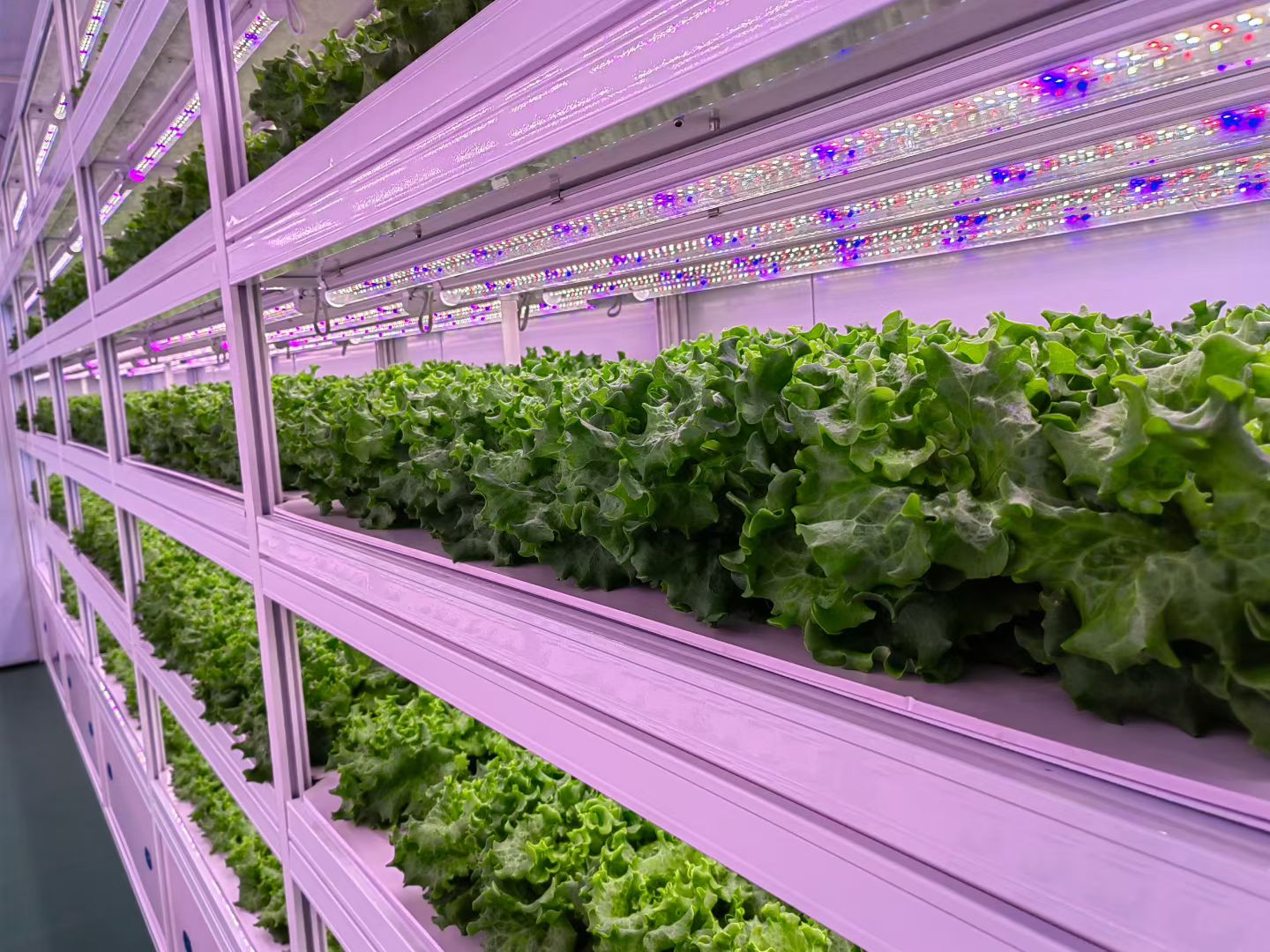
In terms of planting technology, the self-developed soil-free cultivation technology and nutrient solution formula of Auma Agriculture are adopted, without relying on barren local soil. At the same time, water resources are recycled, which not only meets Nauru's ecological protection needs but also significantly reduces the resource consumption of planting. After the project is put into operation, it can stably produce various green leafy vegetables such as lettuce and spinach every month, directly covering the daily vegetable needs of some communities in Nauru, allowing local residents to bid farewell to the "difficulty in obtaining vegetables" and enjoy fresh, affordable locally grown vegetables. Nauru President Adiong personally picked and tasted the lettuce grown in the factory and praised it repeatedly, saying that it was "the fruit of China-Nauru friendship". This agricultural technology from China has truly entered the lives of local people.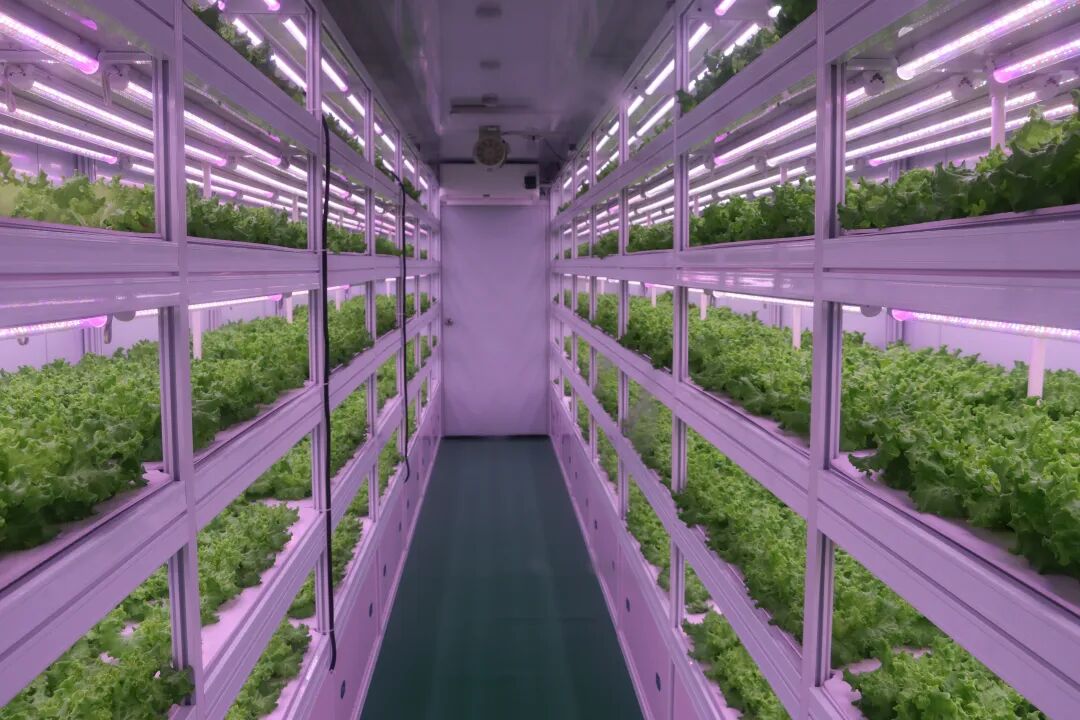
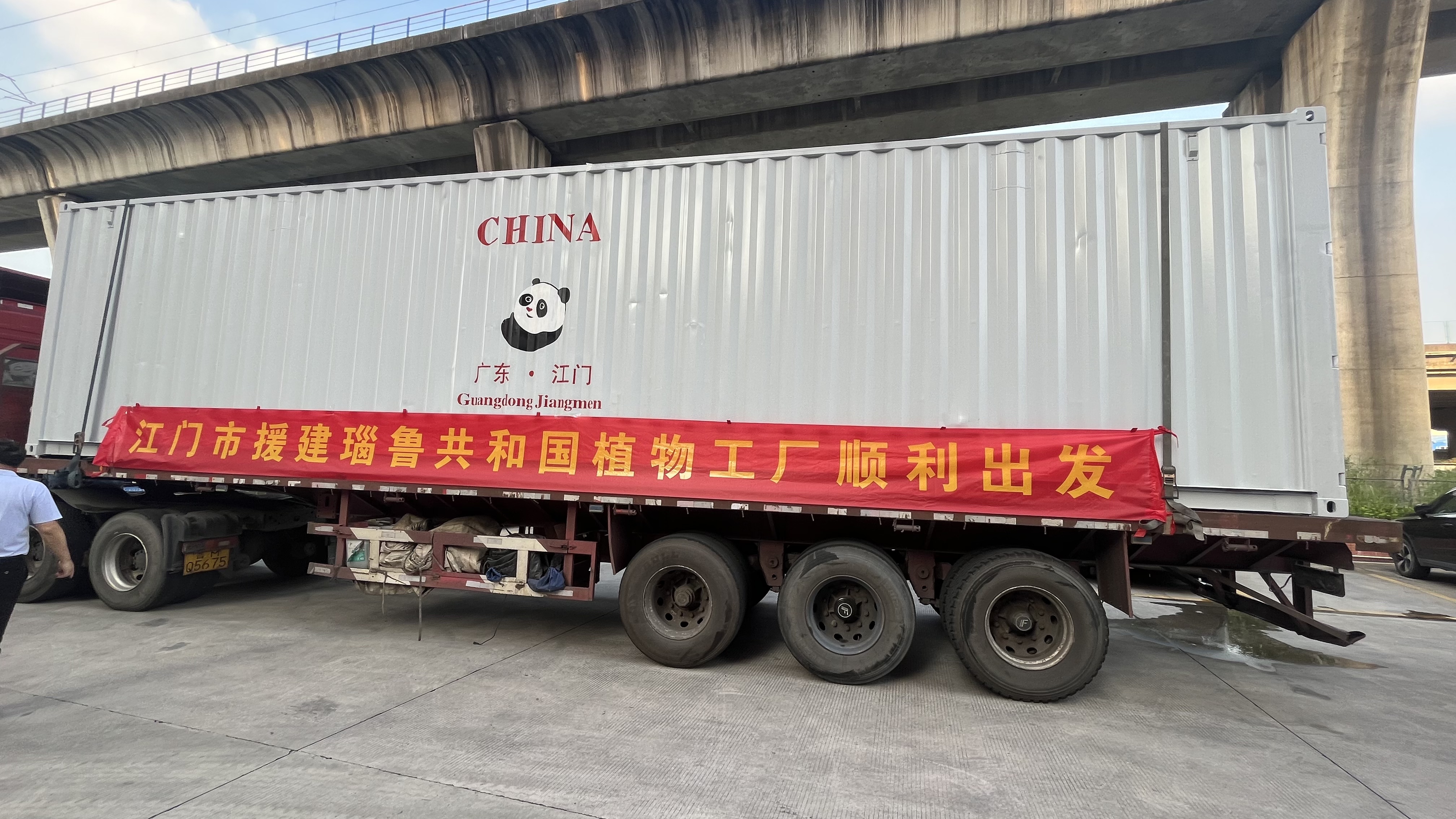
From project signing to shipment completion, it took just over 20 days. Auma Agriculture worked closely with relevant departments in Jiangmen City, overcoming numerous challenges such as long-distance ocean transportation and local adaptation, ensuring the project's successful implementation with efficient execution capabilities. To tackle the long-distance ocean transportation across the South Pacific, the technical team optimized the equipment structure, reinforced the packaging design, and conducted triple inspections on every component to ensure stability during transportation. Simultaneously, they completed the production of core equipment, formulated specialized nutrient solutions, translated the operation manual into multiple languages, and carried out factory pre-commissioning in advance, enabling quick installation and production upon arrival of the equipment in Nauru. Considering the limited local infrastructure conditions in Nauru, Auma Agriculture also provided additional maintenance tools, spare parts, and recorded localized operation tutorials, laying a solid foundation for local staff to undergo technical training and achieve independent factory operation.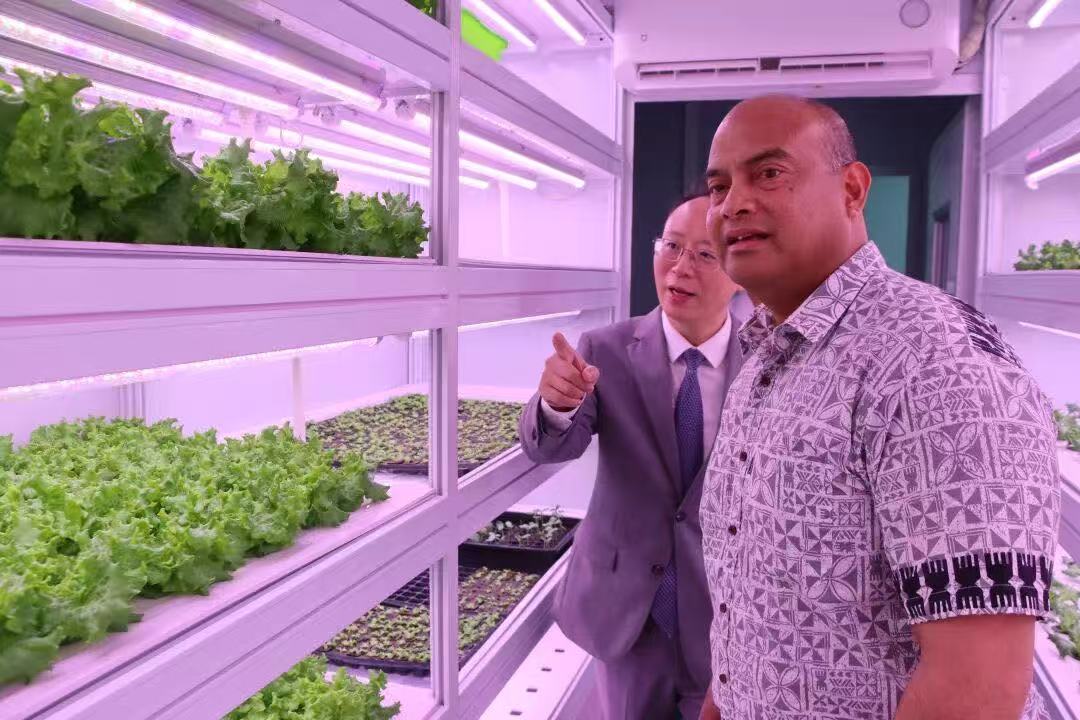
The Nauru Container Plant Factory, undertaken by Auma Agriculture, represents not just a simple export of agricultural technology but also a significant practice of China's smart agriculture engaging in global cooperation for people's livelihood. This project has enabled Nauru to achieve localized and large-scale production of fresh vegetables, significantly enhancing the local self-sufficiency in vegetables and providing tangible support for improving people's livelihood and optimizing dietary structure. Simultaneously, this container-based smart agriculture model offers a Chinese solution for island nations and regions with scarce land resources facing similar geographical challenges to address food security issues, demonstrating the significant value of smart agriculture in promoting sustainable agricultural development and ensuring people's livelihood supply. 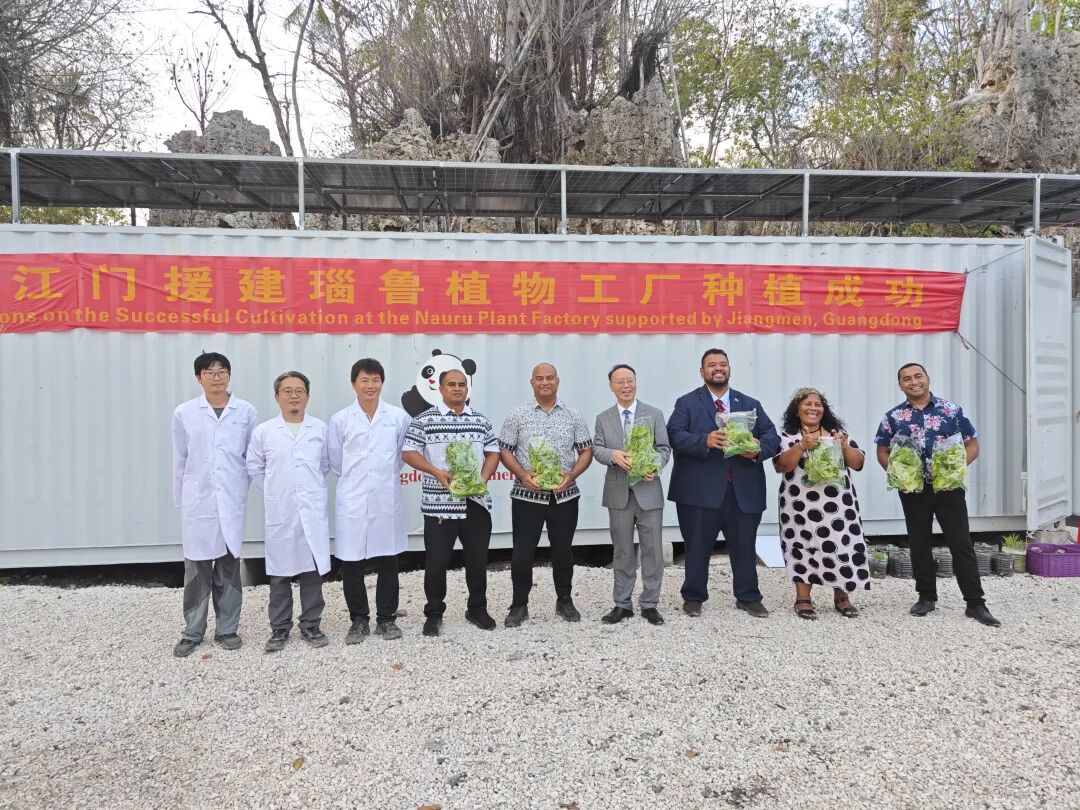
This collaboration marks an important step for Auma Agriculture in its deep foray into the field of smart agriculture and its global market expansion, and it also vividly reflects the friendship between China and Nauru. In the future, Auma Agriculture will continue to leverage its technological advantages to provide customized smart agriculture solutions to more regions around the world, allowing Chinese agricultural technology to go global and ignite the hope for people's livelihood in more regions, thus contributing China's strength to the sustainable development of global agriculture and food security.